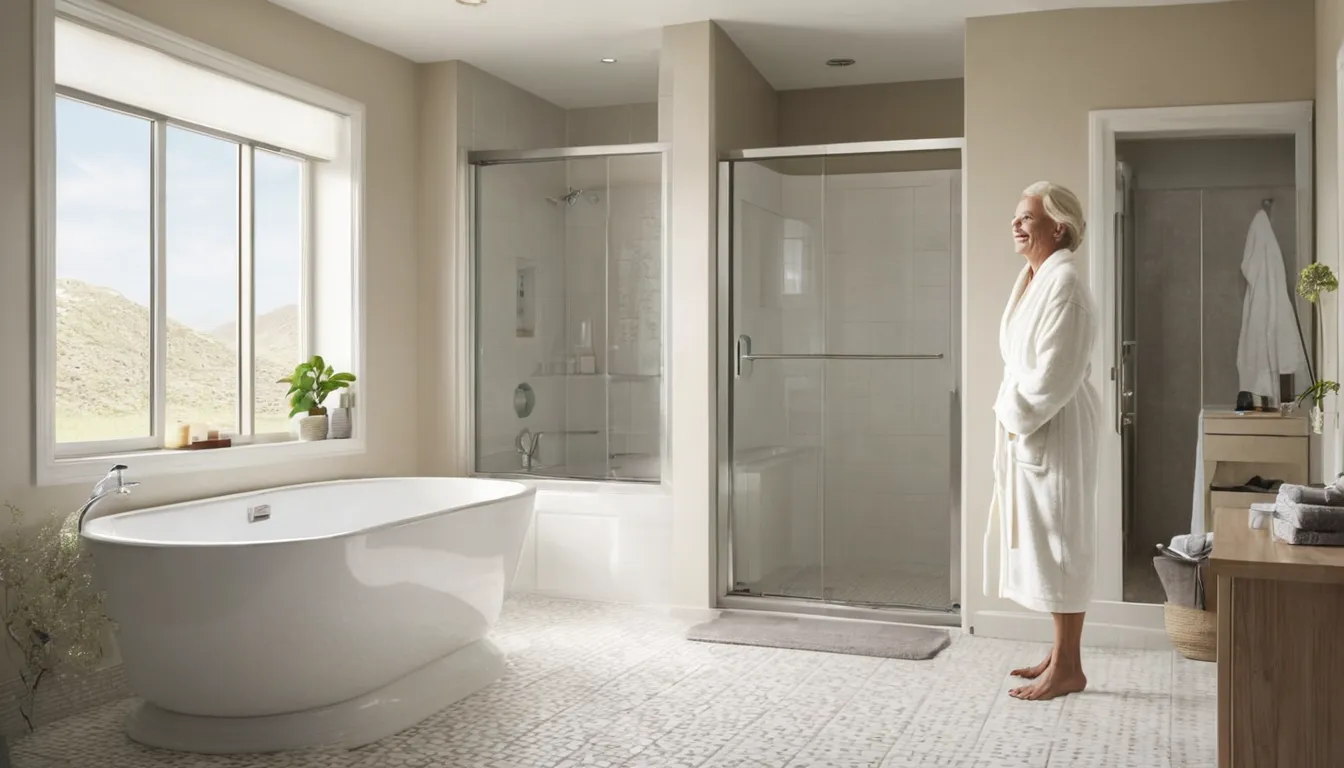
A walk-in tub has a low step-in door, a built-in seat and grab-friendly sides. For many people, that means bathing without the big climb over a tub wall. If getting in and out has started to worry you, you are not alone.
Loansachieve Walk-In Tubs is a referral service. We do not install anything. We listen, help you gather your photos and notes, and connect you with independent providers in our network. They visit, measure and give you a written quote. You decide what happens next, at your own pace and with no obligation.
If you live in Campton Hills or the Campton Hills area, you can ask for an estimate and tell us what matters most to you. Maybe it is a deeper soak for sore joints. Maybe it is a wider door, a taller seat or a faster-draining model. A local provider can talk through these choices at your home. Typical U.S. prices vary by job, so ask for a written quote before you agree to anything.
Bathing Feeling Risky? Start Here
Maybe you slipped once. Maybe you just grip the towel bar a little harder than you used to. Either way, the bathroom deserves a second look.
A walk-in tub lets you step through a small door instead of lifting a leg over a high wall. You sit down, the door seals, and the tub fills. It is a simple idea, and it helps many people feel steadier.
You do not need to decide today. A good first step is just getting organized.
Who Tends to Choose a Walk-In Tub
Senior walk-in tubs are popular, but they are not only for older adults. People choose them after surgery, with arthritis, with balance trouble, or when a family member needs help bathing.
Some homeowners simply want to stay in their house for the long run. A safe bathing conversion now can make that easier later.
A walk-in tub is not right for everyone. If a person cannot sit on the floor of a tub or transfer to a seat, a different setup may suit them better. A provider can talk that through with you.
Gather It First: Photos, Notes and Records
This is the part you can do yourself, and it makes every later step smoother. Take twenty minutes with your phone and a notepad.
Photos worth taking
- The whole bathroom from the doorway
- The current tub, close up, with the drain end visible
- The floor around the tub and any soft or stained spots
- The wall behind the tub, and the nearby outlets
- The water heater label, if you can reach it
Notes worth writing
Measure the bathroom door, the tub length, the width and the height of the wall. Write down who will use the tub and any limits they have, such as how long they can stand. Note anything that worries you, like a creaky floor.
Keep every quote, photo and message in one folder. Paper or phone, either works.
What You Can Do and What Needs a Pro
You can measure, photograph, clear the room and list your questions. You can also talk with the person who will bathe there.
The heavy parts belong to a licensed provider. That means removing the old tub, moving drain lines, running power for some models, and sealing the new unit. Mistakes here can cause leaks that show up months later. Please do not take these on yourself.
Common Walk-In Tub Features
Most models come with a few basics. Others are add-ons that change the price.
- A door that seals, opening inward or outward
- A seat set at a comfortable height
- Grab bars and a slip-resistant floor
- A quick-drain system or a heated seat
- A hand-held sprayer
Think about which ones matter in daily life. A grab bar you use every day beats a feature you never touch.
Soaker, Jetted and Combination Models
A soaker is the simplest. It holds warm water and has no moving parts to maintain.
A jetted model adds water or air jets for sore muscles. It costs more and needs more cleaning and care.
A combination offers both. Ask how often the jets get used before you pay for them. Some people love them, and others never switch them on.
What Installation Usually Involves
The provider visits first and measures the space. Then comes a written quote. On install day, the old tub comes out, the new unit goes in, and the plumbing is connected and tested.
Older frame houses and bungalows can have surprises. A floor may need extra support, because a full tub of water and a person are heavy. In a ranch home with a basement below, a provider may want to look at the framing from underneath. Where a sump pump or damp basement sits nearby, mention it. It helps the provider plan.
If you want the whole tub replacement to go smoothly, say what you know about the pipes and the walls.
Check Your Water Heater
This one gets missed. Walk-in tubs fill slowly and hold a lot of water, and you sit in the water while the door stays shut. If the water cools too fast, the bath is no fun.
In cold winters, the water coming into the house is chillier, and the heater works harder. Read the tank size on the label. Ask each provider whether your heater can keep up. Sometimes a small change is enough, and sometimes a larger tank is wise.
Questions to Ask Each Provider
Write these down before the visit:
- What is included in the quote, and what is extra?
- How long is the tub out of use during the work?
- Is the floor strong enough, and how will you check?
- What happens if hidden damage turns up?
- How is the door seal covered if it leaks?
- Who handles permits, if any are needed?
Ask for everything in writing. Compare two or three quotes side by side.
Insurance and Your Paperwork
Most walk-in tub projects are planned, not sudden. Coverage varies a lot, and some policies or programs may help in limited cases. Check your policy and ask your agent before you start.
If a real damage event is involved, such as a leak, providers can often help document it for a claim. Your photos and dated notes make that conversation much easier.
Living With a Walk-In Tub
Expect a short learning curve. You step in, sit, close the door and then fill the tub. You also have to wait for it to drain before opening the door, so keep a warm towel or robe close.
Wipe the seals now and then and clean the jets if you have them. A quick rinse after each use keeps things fresh.
Involve the Person Who Will Use It
The person bathing should be part of the choice. Let them sit in a model at a showroom if possible. Check the seat height, the reach to the controls and how the door feels.
A tub that looks great but feels awkward will not get used. Their comfort is the whole point.
What's Included
Standalone Advice Sheet
A simple checklist of photos, measurements and notes to prepare before any provider visits your home.
Provider Match
A connection to independent walk-in tub providers in our network.
Written Quote Guidance
Plain tips on comparing estimates, so you can see what each quote does and does not include.
No-Pressure Next Steps
You choose the pace. There is no obligation to hire anyone after you request an estimate.
Typical Walk-In Tub Costs
Prices in the U.S. vary by tub style, home condition and local labor. These ranges are typical, not quotes. Ask each provider for a written estimate that lists every item.
| Item | Typical range | Notes |
|---|---|---|
| Walk-in tub unit | $2,500 – $9,000 | Soakers cost less than jetted models |
| Installation labor | $1,500 – $5,000 | Depends on the space and plumbing |
| Old tub removal | $300 – $1,200 | Cast iron is heavy and costs more |
| Plumbing or electrical work | $300 – $2,500 | Jets and heated seats need power |
| Floor repair or support | $500 – $3,500 | More likely in older frame houses |
| Water heater upgrade | $900 – $3,500 | Only if your tank is too small |
How It Works
Gather Your Details
Take photos, measure the bathroom and jot down who will use the tub and any concerns.
Reach Out
Request a callback or send the request form to say what you need.
Meet a Provider
A local provider visits, measures the space and talks through options with you.
Compare and Decide
Review written quotes side by side, then choose what suits your home and budget.
Why Call Loansachieve Walk-In Tubs
Calm Start
Nobody rushes you. You get time to think, ask questions and sort out your photos and notes.
Local Providers
Independent providers in our network know the homes and weather in your area.
Plain Language
Things are explained simply, so quotes and options make sense before you decide.
Your Pace
Request an estimate when you are ready. There is no obligation to continue.
Other Services

Need walk-in tubs help in Campton Hills?
Have a bathing project in mind? Request a callback or send a request, and we will point you to a local provider in our network.
No obligationWalk-In Tubs Help FAQ
How much does a walk-in tub cost to install?
Across the U.S., a full project often runs from about $5,000 to $20,000 or more. The tub style, plumbing changes and floor condition all matter, so get a written quote from each provider.
Will my insurance or Medicare pay for a walk-in tub?
Coverage is limited and varies by plan. Some policies may help with sudden damage, but planned upgrades are often not covered. Check your policy and ask your agent before you commit.
How long does walk-in tub installation take?
Many installs take one to three days, depending on the home. Floor repairs or plumbing changes can add time. The provider should explain the schedule in the quote.
Tell us what happened
Have a bathing project in mind? Request a callback or send a request, and we will point you to a local provider in our network.
No obligation